Saturday, November 17, 2007

Church Launches "Money Matters" Course

Tony Jian, Bournemouth, 24 Oct 2007

A Free "Money Matters" course is starting at Lansdowne Baptist Church next week.

It runs for six weeks and addresses issues such as debt control and money management. "Debt is a serious problem. Lots of people are very much in debt. The church can not help people get out of debt but can teach them not to get into debt," says churchgoer Sam Whitelaw.

This is the first ever course of this type the church has launched since its establishment in 1876.

Lansdowne Baptist Church is a daughter church from Boscombe Baptist Church. It was set up by 40 Baptists who wanted to spread the gospel to people of Bournemouth, a smaller town than Boscombe at the time.

The church became independent and had its own pastor eight years later. It started with only 20 members in the beginning but the church was later full of faithful followers after Pastor Francis Dixon initiated a series of Bible classes in 1945.

"The first thing he did was to start a Bible school. We had meetings in this church every Tuesday night," remembers Mr Whitelaw, 87, who was 25 at the time.

Dixon was famous for the classes and the sermon notes he prepared. "He taught the Bible and people came to listen," states Mr Whitelaw, "Because the notes were very organized, they were then spread out throughout the world."

By the time Pastor Harvy Kilbride took the position in 1970, the church had been very successful. Hundreds of people, in particular, young people crowded into the church.

The Hub (picture above), a building right next to the church, was purchased during the term of Pastor Michael Buss in 1980s. It is a venue for socialising activities such as "the Mustard Seed Coffee Bar" for international students on Friday evenings.

"The asking price was £80,000 and the congregation contributed £104,000 so that allowed us to do lots of work," Mr Whitelaw explains.

Pastor Christ Kelly took up his post in 2002 and continued ever since. The church has just celebrated its 130th anniversary last year and also keeps up with the times by offering practical courses such as "Money Matters", which is not limited to Christians.

(article and pictures by Tony Jian)

Friends International Rolls Out "Visa Course"

Tony Jian, Bournemouth, 21 Oct 2007

A ten week free course for international students is being held by Friends International at town centre every Tuesday evening.

The course offers not only an opportunity for international students to practice English and meet new friends but also an entrance into Christian faith, hence the name visa course.

“We usually have many students from Korea, Japan, Taiwan, China and some from South America and Europe”, says international student worker at Friends International Sue Burt.

Julie Lee from South Korea states that she felt depressed before joining the course. “I worked for a company. I had a successful life but I felt helpless and empty.” Ms Lee attended the course in the autumn last year and seven months later she was baptised.

Visa course is only one out of many English learning activities that Friends International launches. Others include Wordsearch, A Meal at Richmond Park, The Mustard Seed Coffee Bar, Compass, iMeet, Wellspring Café, and Friday Evenings at West Cliff, just to name a few.

Friends International is a Christian organization that works with many churches across the UK to welcome international students. It aims to "help students of all faiths, or none, during their stay in the UK" and facilitate cultural exchanges.

The local origins can be traced back to summers in 1960s when there were many language schools in Bournemouth. Local churches found language students had no where to go so they decided to "welcome them, shelter them with hospitality and also give them an opportunity to find out about Christianity," explains Ms Burt.

The churches then cooperated with Universities and Colleges Christian Fellowship (UCCF) but no formal organisation was formed to coordinate the issues about international students as yet.

In mid 1980s, the precursor of Friends International, International Student Christian Services (ISCS), was established and continued to work with UCCF, the former responsible for international student affairs while the latter mainly that of British Christian students.

"To reflect the nature of our work and for the ease of memory, ISCS was renamed Friends International in 2002," Ms Burt explains.

Friends International borrows the Hub (see picture below) from Lansdowne Baptist Church as the venue for some of its activities, the visa course being an example.


The course starts at the Hub, 7 Lansdowne Rd. Bournemouth, from 7:45pm to 9:45pm every Tuesday.

(article and picture by Tony Jian)

Russell-Cotes Museum Showcases Victorian drawings

Tony Jian, Bournemouth, 18 Oct 2007

Victorian drawings by Frederic Lord Leighton have just been showcased on October 16 in Russell-Cotes Art Gallery & Museum, one of the last Victorian buildings ever built in Bournemouth.

Russell-Cotes museum exhibits in six sections the works of Leighton, the President of Royal Academy for almost two decades, from the drawings he made as a student to the final works in his life.

The museum has also collaborated with Text + Work, the gallery at the Arts Institute at Bournemouth to create Meeting Place, a contemporary artwork exhibition inspired by the time, space, and displays inside the museum.

Peter Harvey is a member of staff at the service counter and has been working in the museum for 15 years. "We try to bring in different types of art as much as we can," says Mr Harvey. "The museum is like a book needs to be written."

The museum has invited many local artists, Abi Kremer for example, to display their works. It is a Grade 2 listed building steeped in history and yet full of energy and dynamics, made lively by the dialogue between contemporary artists with a wide repertoire of collections, from Japanese, Chinese, Indian, Tibetan, to Middle East, just to name a few.

"It is a cosmopolitan place," Mr Harvey comments.

It is also a "meeting place" where East meets West, and modernity juxtaposes with antiquity. It is a venue where artists can unleash their creativity, the public can engage in an intellectual discourse and children can have fun.

"Once I saw a kid forced in the door by his parents but ended up holding to the door without wanting to leave," reminisces Mr Harvey.

One of the museum's missions is to "increase audience for the arts and participation in arts activities, with particular reference to young people" and to "make arts activities accessible to everyone."

To accomplish the above mission, the museum has launched a series of activities for all age groups. Contact Marion Cavanagh Learning Officer for further information.

(article and picture by Tony Jian)

Friday, November 16, 2007

留學英國 14 (十月、十一月上半)

九月二十五日早晨五點二十五分,初次踏上英國的土地。在機場等到八點才看到學校派來的代表,舉著大大的 Bournemouth University 的招牌迎接我。之後,來自加拿大、美國、德國等各地的國際學生陸續到齊,一行人拖著厚重的行李,走出機場大門。雖然博恩茅斯 (Bournemouth) 在英國南端,理應較為暖和,不過迎面吹來的風卻仍是寒冷難耐,恰似寒流來襲,我趕緊坐上巴士,望著半陰半晴的天空。


從倫敦希斯洛機場到博恩茅斯約兩個多小時的車程,一路上看到許多令我吃驚的事物。例如路邊清澈乾淨的大水溝裡有許多鴨子;高速公路兩旁就是寬廣的大草原,有的牛隻甚至就在公路中間巨大的安全島上吃草;博恩茅斯很多圓環,車子要過圓環時都會先禮讓右側來車,直到圓環右側沒有車子才進入圓環;一個不怎麼樣的三明治就要一磅多到兩磅,算成台幣的話真不敢買下去;坐公車也很貴,從學校坐到市區 (大約是台北火車站搭15號到和平東路的距離) 就要一磅六,同樣的價錢跟距離在台北可以坐五次以上了。

到學校後第一件事就是去宿舍辦公室報到,領鑰匙,買床具組後走到我的房間。我住在 Student Village 一間二樓的套房 (學校稱Studio),景觀很好,每天一開窗就可看到日出。不過我還沒閒情逸致欣賞美景,就要先清點回報房間缺少受損的物品。


燈一盞不亮、房間沒有椅子、書架隔層木板斷了、網路不能用、床墊上有焦印等等都跟舍辦報告,負責人竟然說不知道什麼時候會修好。不過我還有更重要的民生問題要解決,趕緊在日落前問人才找到附近的ALDI買些米油鹽醬,一股無助與孤獨感頓時襲上心頭。這一天起,開始要獨立生活,洗衣做飯。還得趕緊買國際電話卡,去銀行開戶,這些都要花許多時間比較打聽,好在學校安排了一連串的講座 (ISOP---International Students Orientation Programme),我也慢慢熟悉環境,不安感才逐漸降低。

以下是 ISOP 的活動內容:
九月二十五、二十六兩天學校安排了各校區的校園導覽、超市團 (像是旅遊團一樣,有領隊帶路)、免費咖啡及點心。
九月二十七重頭戲:警察局與人身安全、銀行開戶、簽證延簽講座、報名週末踏青 (Purbeck Trip)、行人、自行車安全、學生社團及晚上的Welcome Party。
九月二十八:CV講座、面試技巧、英國學業準備等講座。
九月二十九 Purbeck Trip:經過以下景點
Brownsea Island, 俯瞰 Poole Harbour, Poole area, 及 Bournemouth
Corfe Castle
Swanage Bay
Durlston Country Park
Durdle Door 及 Lulworth Cove


趣聞
*侏儸紀海岸---為英格蘭第一個列為聯合國世界遺產之處,東起 Purbeck (Old Harry Rocks) 西到 East Devon,上述景點從Swanage Bay到Lulworth Cove都屬於侏儸紀海岸的範圍
*白金漢宮和聯合國大樓的建材之一就是Purbeck 的石灰岩

這次的Purbeck Trip令人難忘。我去了英國本島南端的海岸,景致壯麗,站在陡峭的海崖上面對著英吉利海峽,不敢相信遙遠的另一邊就是法國……

十月一日開學後隨即感到極大的功課壓力,每週平均上課時數為22.5小時,週一到週五都有課,跟大一沒什麼兩樣。


有學術性的課 (Frontiers in Journalism)也有實務的課 (Core Skills for Journalism、Digital Broadcasting: Radio & TV、Online Journalism、Legal and Ethical Context),也有技術性的課 (Photoshop、Webstructure、Premier)。每週有兩個早上必須模擬新聞室作業,在一小時內完成老師指定的編輯或寫稿工作。另外課餘還要自己出去採訪廣播、網路、或電視新聞,對於我這個外國人來說,難度之高可想而知。


仔細分析,這些工作的難度源自以下因素:
  1. 週遭環境
    我到博恩茅斯還不到兩星期就開始要自己出去採訪新聞,剛開始連警察局、法院、遊客中心等重要據點在哪裡都不知道,花許多時間查地圖,看公車路線。

  2. 交通因素
    我十月二十日才買腳踏車,在那之前都是坐公車出去採訪,然而公車不是每條路都有,腳踏車能到的地方也不遠,行動受限,只能採訪小範圍內的新聞。

  3. 語言文化
    學了許久的英文,仍舊遇到許多溝通理解上的挫折。許多人英式口音很重,說話速度又快,提到沒聽過的人名、地名、事件名時根本聽不懂。這就好像我們用台灣國語跟外國人聊斗六市某里長伯政績一樣地令人氣餒。garage 這個國中就學過的單字, 在這裡的發音截然不同, 讓你以為是新字. 我參加一個 Revision Techniques for Exams 的講座, 心想考試卷交了就交了還可以 revise 的喔, 原來英式英語的 revise 是美式英語的 review.
  4. 新聞線索
    博恩茅斯說小不小,說大也不大,狗咬人的事比人咬狗的事多。更別說我的採訪區(Patch)了---Wallisdown 盡是 bungalows 跟 residential area。不過其他的 Patch 倒是蠻有趣的, 像是 Charminster 就有很多不同特色的餐廳 (泰國, 中國, 土耳其, 印度等),The Square 有遊客中心,靠近 Bournemouth Pier 及 Bournemouth International Centre。
  5. 採訪技巧
    這是需要不斷訓練累積的。我的身分很尷尬,有人知道我只是學生,就不太想理我;有人知道我是學生,反而願意幫我而多說一點。所以在開口之前都要先觀察一番,揣測對方希望我是學生,還是所謂的 trainee journalist,猜錯的話就很難從這個人口中問出個什麼了。另外一個困難就是要取得受訪者的基本資料如姓名、年齡、電話等。我們都很不願意給陌生人這些資料,更何況重視隱私的英國人,這使的我的工作格外艱難。
  6. 撰稿技巧
    除了基本的新聞架構外,不同的媒體有不同的要求。例如廣播稿要比網路新聞口語,資訊也不能像網路新聞那麼密集。電視新聞稿則要配合畫面說故事。除此之外,很重要的是英國的新聞相關法規,例如青少年犯罪案由少年法庭開始審理後,就不可以報導任何足以指涉該少年的資訊,否則會被冠上藐視法庭 (Contempt of Court) 的罪名,要是不注意,很容易吃上官司。

誰 說 記 者 很 好 當 ?


於是,這些種種的困難加上繁重的課業實在壓得我喘不過氣來,但也逐漸適應而找到生存之道。上週總算擠出一天的時間到倫敦去,不巧剛好遇到有人「搞軌」,只好從Richmond坐公車晃到倫敦。 (picture taken at Horse Guards Parade)


博恩茅斯大學多媒體新聞學程最吸引我的就是能到英國各種不同媒體實習的機會。該學程由英國 Broadcast Journalism Training Council 認可,所上講師與業界關係良好。我們現在起就要開始申請到BBC或Sky News等電視、廣播、平面或網路媒體實習,並在第二學期結束和第三學期開始之間完成。

本校的媒體學院另一個好處是有24小時的專屬剪接/電腦室,我都是到這裡用數位電視看免費新聞 (在英國買電視來看要交執照費) 學費那麼貴,當然要好好利用囉。

另外值得一提的是採訪新聞的過程中我遇到一個英、西、法語的盲人口譯員,他在博恩茅斯大學教西語,平時也接口筆譯的案子,跟我分享很多經驗。我現在在學校教中文,每週一小時,為期六週,這也是沒意料到的事。

Tuesday, September 18, 2007

留學英國 13 (行前準備)

今年九月二十四日我就要啟程前往英國參加學校舉辦的國際學生說明會(ISOP)。十月一日正式開學,課程就緊鑼密鼓地展開了。根據我所掌握的資料,第一、二學期學習的重點在於廣播、電視、網路新聞的採訪、編輯、製作到播報等,有小組作業,也有個人作業。我是極少數的亞洲學生,大部分的同學都是英國人和歐洲人,我必須學習和他們溝通、合作,以完成各項新聞的團隊任務。相較於許多這些在媒體業界的同學,英語不是我的母語,而且我之前也沒有真正的新聞實務經驗,這些都是可以想見的挑戰。不過,換個角度想,能夠與許多優秀的同學一起學習,收穫應該不少吧!我想就抱持這樣樂觀的態度,像塊海綿一樣盡情地吸收學習吧。


出發前的準備中值得一提的是購買相關設備。老師在暑假的時候通知我們必須備齊以下七樣設備:
1. MiniDV 攝影機 (PAL系統)
2. 三腳架
3. Sony MZ-B10 可攜式MD錄音器
4. Audio Technica AT804 全指向麥克風
5. 麥克風接頭及線 (3公尺長)
6. 耳機 (3.5 mm插頭)
7. DV備用電池


其中第一、三、四項都是專業新聞人員所使用的器材,老師也都有規定必須購買的型號。這些器材不但採購不易 (如PAL系統的機器台灣沒有進口),所費也相當昂貴。DV少說也要三萬元;Sony MD是我好不容易在Yahoo拍賣網站上才找到賣家,價錢也是令人咋舌,七千八百元;而日本鐵三角的全指向麥克風也是到音響專賣公司才以三千八百元買到 (這也是該公司當時唯一一支同款的麥克風)。台灣的DV因為系統不符所以我只好等到英國後再購買,這又是天價了,因為英國不生產DV!總之,還沒開學我們就被學校要求先投資大把鈔票,正所謂「工欲善其事,必先利其器」啊。
不只如此,我還在暑假時先學習操作這些設備,並學習剪接軟體 (會聲會影9) 和簡單的拍攝技巧。學姐告訴我說到時候還要學習用Dreamweaver、Adobe Premiere、Photoshop等軟體編寫多媒體網路新聞。對於原本唸文科的我來說,這個學程的入門門檻之高也是我始料未及的。所幸學姐說老師都會從頭教起,我也就稍微放心了。
現在進入倒數階段,我也忙著打包,閱讀許多文件,繼續學習使用軟體。目前心情既興奮又緊張,Bournemouth University, I'm coming!

Tuesday, August 07, 2007

日文他動詞與自動詞的奧妙: 以"壊す, 壊れる, 入れる, 入る"為例

學語言的朋友應該都知道語言和文化是密不可分的. 依稀記得語言學概論課本上的某句話大意是這樣: Learning a language without knowing its culture is the best way to make a fool of oneself. 而大二上"語言與文化"這門課時也看到了許多不同類型的文化, 其中 Hall 依照不同的 culture orientations 將文化區分為 high context culture 和 low context culture. 傳統的中國, 日本等亞洲文化就是典型的 high context culture, 這些文化中的語言較為倚重情境 (context) 來溝通, 也較為隱晦 (implicit), 間接 (indirect). 此外, 這些文化的成員同質性較高 (more homogeneous), 因此就算是隱晦間接的訊息對他們而言也比較不言而喻, 彼此心照不宣.

相較之下, 屬於 low context culture 的美國文化及語言就較為外顯 (explicit), 直接 (direct), 成員間的異質性較高 (more heterogeneous), 也因此溝通時非得把話說清楚不可, 說什麼就是什麼, 沒說出的話就等於沒說, 沒有人會以為你只是客氣或禮貌而不說出來. 或許是這樣, 要讓他們了解"盡在不言中"是頗困難的一件事.

近來複習日文時, 看到了應證上述現象的例子, 不僅讓我又重新認識了日語的他動詞和自動詞, 也看到了日本文化對日語的影響.

首先解釋一下他動詞和自動詞的基本差異:

"他動詞"強調的是動作行為本身
彼はドアを開けました。(他把門打開了. 強調他做了"開門"這件事)
わたしはてを挙げて、タクシーを止めました。(我舉起手, 讓計程車停下來. 強調我"讓計程車停下來"這件事)

"自動詞"則是強調動作的結果或狀態
ドアが開きました。(門開了, 不管什麼外力造成. 強調'"門開了"這個結果)
ドアが開いています。(門開著. 強調狀態)
店のまえにタクシーが止まりました。(計程車在商店前停下來. 強調'"車停下來"這個結果)

看到這, 我們很容易把他動詞當成及物動詞, 把自動詞當成不及物動詞, 但其實雖有重疊之處, 卻不完全一樣. 因為英文的及物, 不及物的差別並不像日文是在於"動作行為本身"或"動作的結果或狀態".

那麼日本文化跟他動詞, 自動詞有什麼關係呢?

先看看壊す(弄壞, 他動詞), 壊れる(壞掉, 自動詞)
如果別人的相機本來就有問題, 我們使用後弄壞了, 歸還時可能會說"對不起, 這個相機壞了"

ごめんなさい。このカメラが壊れました。(壊れました是自動詞)


但是這個情況下, 日本人很可能還是會選擇說"對不起, 我把這個相機弄壞了"

ごめんなさい。このカメラ、壊しました。(壊しました是他動詞)


因為這麼說表示"雖然我不是故意的, 但是因為我的關係所以讓它壞了." 而 "このカメラが壊れました。"則是單純表示相機壞了的結果, 沒有讓人感到歉意, 所以日本人比較不會這麼說.

再看看入れる (泡茶, 他動詞), 入る (泡茶, 自動詞)
如果我們要招待日本朋友, 泡茶給他喝, 可能會憑直覺套文法說"我把茶泡好了"

お茶を入れました。(入れました是他動詞)

但是這句話的言外之意是"我特別為了你去泡茶", 反而會給予客人壓力.

相對地, 我們的日本朋友要泡茶招待我們時, 很可能會選擇說

お茶が入りました。(入りました是自動詞)

因為這只是說明"茶已經泡好了", 而不強調是誰去泡的, 比較不會給客人壓力.

由此我們可以看出, 若是不了解某地的文化跟語言習慣, 很可能在許多情況下造成聽者的反感. 這些用語的選擇已經不是光用文法憑直覺就可以解釋的, 而是語言和文化交融下的產物, 這種情況在 high context culture 的日文中甚為明顯, 提供大家參考. 也歡迎提出其他語言的例子.

Friday, August 03, 2007

留學英國 12 (LSE 傳媒所所長信函)


七月三十一日收到 LSE 媒體與傳播研究所 (Dep. of Media & Communications) 所長 Prof. Sonia Livingstone 寄來的 email, 恭喜我獲得錄取, 成為該所的新生 (內容如下). 前一天晚上我才正式上網取消申請, 得知錄取消息後內心卻是異常平靜.
腦海中只是浮現一個畫面: 我坐著火車向窗外凝視, 景物像快速倒轉的帶子往身後飛去, 車子經過大站沒有停靠, 卻來到另一個小站.
這應該有其原因的...
我看著地圖, 準備下車, 相信這裡離目的地比較近. 未來的路程也許顛簸, 但意想不到的收穫也更多.
Dear ________,

I would like to congratulate you on being offered a place on this exciting and challenging programme. By now you should have received your official offer from our Graduate Admissions Office. This will give you all the information you need about the formalities to be followed in joining the programme. If you are holding a conditional offer, you will still need to meet this condition and to provide evidence of having done so to the Graduate Admissions Office before your offer will be confirmed and registration materials sent.

The purpose of this letter is to convey some information that will give you a head start in your studies, so that you can get the maximum benefit from your LSE experience.

Our courses are theoretical in nature, informed by the intellectual and empirical insights of the teaching staff and the academic field of media and communications more broadly. While our courses may often include opportunities to consider how theory and empirical research may be applied in particular settings, we do not offer a sustained practical training of the kind one might expect from, for example, a Business or Journalism School. Typically, courses in the department are taught through the combination of a weekly one hour lectures plus a weekly one-hour seminar. Lectures may be delivered to large groups of students, depending on the numbers of students who select that course. Seminars may be taught in smaller groups (up to 18 students) by full time faculty or by appropriately trained part-time Graduate Teaching Assistants.

The New Arrivals webpage is updated regularly and you'll find all the information you need to know about Induction and Registration.

We are currently preparing our 2007/08 Handbooks and these will be posted on our website over the summer. This is a dynamic programme and we would like the Handbook to be as up to date as possible, but in the meantime, you may like to look at our 2006/07 Handbooks, which are available on our departmental web pages.

Full study guides and reading lists for 2007/08 will be available at the start of term.

Monday, July 30, 2007

留學英國 11 (BU 新生說明會手冊)

前幾天 Bournemouth University 寄來一份 ISOP (International Students' Orientation Programme) 資料, 還附上一本非常實用且重要的 Welcome Guide, 心中的某些疑惑獲得了解決. 看到 ISOP 的行程中還包括倫敦一日遊, 更是不免興奮了起來.


ISOP 詳細內容請點選以下圖檔, 即可放大觀看:


很高興看到台灣學生的留言竟然出現在 ISOP 的信件中 (下圖上方螢光筆處)


Welcome Guide

Saturday, July 21, 2007

A Chinese regal vegetarian restaurant

2007-07-21 evening

King Join restaurant logo and teapot (below)

some curios (below)


核桃南瓜羹 Walnut Pumpkin Paste (below, translation from the menu)


蘿蔔酥餅 Turnip Buns (below, translation from the menu)


山藥枸杞炒蘆筍 Chinese Yam & Wolfberries Stir Fried with Asparagus (below, translation from the menu)


紅燜猴頭蘑 Stewed Hedgehog Mushroom with Gingko (below, translation from the menu)

什錦炒飯 Assorted Stir Fried Rice (below, translation from the menu)


精燉猴菇麵 Hedgehog Mushroom Noodle Soup (below, translation from the menu)


Chinese zither music


Desserts (the following introductions are excerpts from the menu)

As the capital of China for five dynasties---Liao, Jin, Yuan, Ming and Qing, snack history in Beijing dates back to the 14th century...
碗豆黃 Pea Cake
made of choice yellow peas and a kind of special herb
This cake was one of the snacks served at the state feast to welcome Mrs. Thatcher's state visit to China.

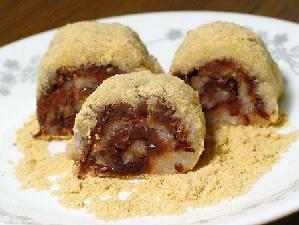
驢打滾 Rocking Donkey
The donkey played an important role in the old agricultural Beijing. Donkeys were used to drive the grinder that ground the bean flour, one of the ingredients of this type of snack. The cake looks like the mud sticking to the surface of a rocking donkey and thus it is called Rocking Donkey snack.

蓮蓉捲糕 Lotus Seed Paste Roll
a mascot symbol and a kind of tonic

奶酪 Chinese Yogurt
It is made with fresh milk, fermented rice soup and sugar and baked on a charcoal fire, then cooled with ice for condensation.

2007 Taipei Aquapets & Family Pets Fair

7/20~7/23 (10:00~18:00)


My cutie ^^
All photos and video clips by TJ. All rights reserved.

Google Web Definitions (by Jorge Sierra)